
Why won't men fight for me?
Why Won't Men — Understanding men's resistance and refusal.
See if this sounds familiar…
When a sharp disagreement arises or a hurdle appears in your relationship, he steps back immediately, folding his arms and walking away without making an effort to repair the tear. Instead of fighting for the connection, he accepts distance with a cold apathy that leaves you stunned. You are left standing alone in the hallway, wondering if you ever truly mattered to him. This passive surrender during critical moments leaves deep emotional scars. You feel disposable, as if years of shared history can be tossed aside at the first sign of friction without a second thought. The painful realization that you are the only one fighting for the relationship erodes your sense of worth and security. A man's failure to fight for a relationship often reflects conflict avoidance, emotional exhaustion, or a self-protective withdrawal born from a fear of rejection or feeling inadequate. When a man feels incapable of fixing a problem, his default response is often passive retreat rather than active engagement. Understanding these emotional shutdown mechanisms clarifies what is really happening. Step inside to examine the reasons behind male relationship surrender.
Would you like some perspectives on this?
Be Part of the Answer
We haven't received any perspectives on this question yet.
You can help by sharing your own perspective, describing what you're going through, or subscribing to be notified when professionals respond.
We respect your privacy. We don't spam, sell, or share your email. You'll only receive notifications about this question, and you can unsubscribe at any time.
Recommended Reading
Books to deepen your understanding of this topic
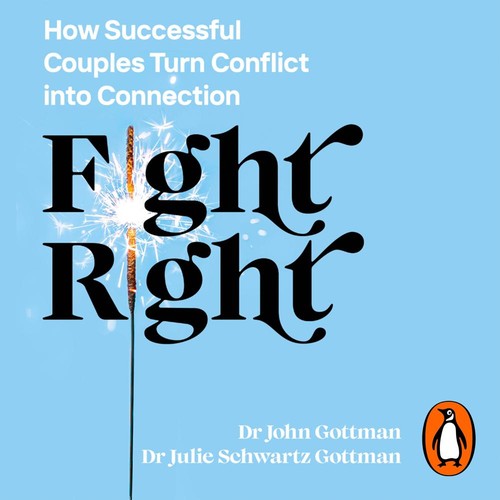
Fight Right
This relationship guide breaks down the science of conflict, offering practical frameworks to turn destructive arguments into opportunities for mutual understanding. It aids in understanding men by explaining how physiological flooding during disagreement affects male communication and how to manage conflict constructively.
Communication & Conflict
The High-Conflict Couple
Utilizing Dialectical Behavior Therapy (DBT) principles, this book teaches couples how to deactivate intense emotional escalation, validate each other's feelings, and restore intimacy. It provides valuable context on how men experience emotional dysregulation and reactivity in relationships, offering concrete skills to replace defensiveness with constructive engagement.
Communication & Conflict
Crucial Conversations
This guide offers practical techniques for navigating high-stakes, emotionally charged conversations with clarity, safety, and mutual respect. It illuminates how men can move past defensive fight-or-flight responses during difficult discussions, enabling constructive problem-solving and stronger relational trust.
Communication & ConflictPeople also wonder
Why don't men fight for me?
Why should men fight for me?
This page is brought to you by the Why Platform — perspectives without algorithms.
Sponsor this content